


Corporate Cards
Discover: Virtual Credit Cards for Canadian Businesses
Explore the benefits of virtual credit cards with Float. Discover how this modern payment solution enhances security and simplifies your financial transactions.
March 2, 2026


Virtual cards have gone from a niche fintech feature to an everyday business tool. They offer a digital alternative to traditional plastic cards, with the same core functionality businesses rely on to pay for goods and services. Unlike physical cards that need to be printed and mailed, virtual cards exist entirely online. That means you can issue a card instantly and start using it right away, without waiting days or weeks for a piece of plastic to arrive.
If you’re a business owner or on the finance team at your company and trying to understand what virtual cards are, how they work and whether they’re worth adopting, this guide is designed to give you clarity. We’ll walk through the basics, explain how virtual card technology works in 2026 and outline when virtual cards make sense for modern business spending.
What are virtual cards?
A virtual credit card is a secure, digital 16-digit card number that allows your business to make online purchases without exposing your main account details. While often called “virtual credit cards,” many business platforms—including Float—issue virtual corporate or charge cards rather than traditional revolving credit cards. However, the two terms are often used interchangeably.
When a virtual card or virtual credit card is issued, the recipient gets the card details instantly. This includes all the essential information required to make purchases, such as a card number, expiration date, and security code.
Although a separate number is used, transactions you make with a virtual card still appear on your regular statement. This comes from your prepaid balance or your monthly charge limit, giving teams the flexibility of a traditional card with added control and security over spending.
This immediate availability of a virtual card stands in stark contrast to physical cards, where approved applicants often wait days or even weeks for a card to be produced, shipped and delivered.
Quick history of virtual cards for business expenses
Virtual cards first emerged in the early 2000s as a fraud protection tool for online shoppers. Their application quickly expanded into business environments as companies recognized their potential for managing expenses more securely and efficiently. By generating unique card numbers for specific transactions or users, virtual cards help reduce fraud risk and control employee spending.
The rise of e-commerce and digital payments has accelerated the adoption of virtual credit cards, especially in industries such as travel and insurance. E-commerce and SaaS also led the way, using virtual cards for recurring payments like digital ads and subscriptions. The COVID-19 era further boosted the popularity of these cards, as remote-first businesses sought contactless and remote payment solutions.
Find the best credit card for e-commerce and retail companies in Canada.
Types of virtual cards: Business vs. consumer
Not all virtual cards are designed for the same audience or use case. While the underlying technology may look similar on the surface, virtual cards generally fall into two distinct categories: business virtual cards and consumer virtual cards. Understanding the difference helps set expectations around features, controls and use cases.
Business virtual cards
Business virtual cards are designed for managing company spending at scale. They support multiple users, configurable limits, reporting and integrations with accounting and expense tools. These cards are built for teams, vendors and recurring business expenses, not for individual convenience.
Consumer virtual cards
Consumer virtual cards are intended for personal use. They focus on protecting an individual’s personal card details when shopping online and typically offer limited controls. These cards aren’t designed for team use, approval or business reporting.
The rest of this guide focuses on business virtual cards as they’re the most relevant option for companies looking to improve spend control and security.
How virtual cards work (and what’s changed in 2026)
At a high level, virtual cards follow the same payment rails as physical credit cards. They process transactions through established card networks and appear to merchants as standard card payments.
The difference is how the card is created and controlled.
The workflow typically looks like this:
- A business generates a virtual card from its card platform.
- The card is assigned to a specific purpose, employee or vendor.
- Spending rules are applied before the card is used.
- The card number is entered for an online or card-not-present transaction.
- Transaction data flows back for reconciliation and reporting.
Because the card is created digitally, it can be issued instantly—no printing, no mailing and no sharing of a single company card across the team.
What’s different in 2026
In 2026, virtual cards are no longer just a standalone, fraud-prevention tool. They’re embedded in broader finance platforms that combine cards, bill payments, reimbursements and cash management, giving finance teams faster access to capital and faster payment rails.
Instead of sitting separately from operating cash, modern virtual card programs connect directly to business accounts that can earn yield while funds remain fully accessible.
For Canadian businesses, this means idle cash doesn’t need to sit in low-interest accounts or locked GICs. Float, for example, offers a base rate of 3% interest on CAD and USD balances, with tiered rate boosts tied to monthly card spending that can increase earnings up to 4%. This allows companies to earn competitive returns while they spend without sacrificing liquidity.
This shift turns virtual cards from a simple spend-control mechanism into part of a more efficient capital strategy: money earns while it waits, then moves instantly when it’s needed.
While the core workflow hasn’t changed, the underlying technology and financial impact have. In 2026, virtual cards are built for optimized cash flow, scale, automation and security-first finance teams.
Advanced tokenization
Most virtual cards now use advanced tokenization. The card number shared with a merchant is not the same as the underlying account number.
If a merchant system is compromised, the exposed data can’t be reused elsewhere. This dramatically reduces fraud risk compared to a single shared physical card.
PCI DSS compliance
In 2026, reputable virtual card providers operate under Payment Card Industry Data Security Standard (PCI DSS) requirements. PCI DSS sets the baseline for how cardholder data must be stored, processed and transmitted to reduce the risk of breaches and fraud.
For businesses, PCI DSS compliance matters because it shifts much of the security burden from internal teams to the card provider’s infrastructure.
Granular controls built in
The digital nature of virtual cards offers unprecedented flexibility and control over spending. Businesses can generate multiple virtual card numbers, each linked to a primary account but operating independently.
Each card can have:
- A predetermined spending limit
- Merchant or category restrictions
- A defined expiry date
- Single-use or recurring permissions
Instead of reviewing transactions after money is spent, modern finance teams set rules before a purchase ever happens, applying merchant restrictions, recurring limits, approval workflows and expiry dates to each card.
Smarter integrations
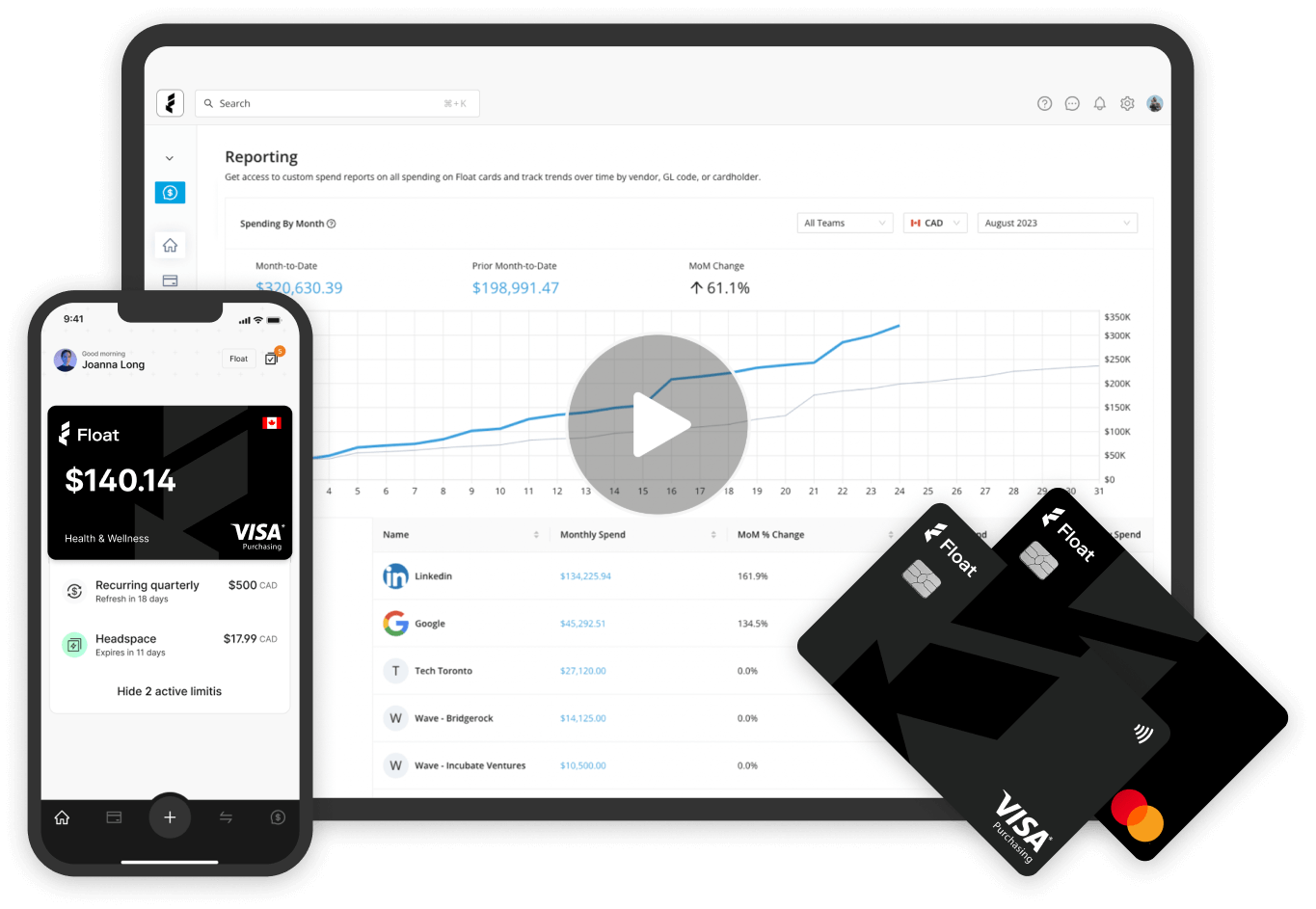
Virtual cards are increasingly integrated with accounting systems, ERPs and expense tools. This reduces manual reconciliation and helps prevent card misuse before it happens.
Benefits of virtual cards
Virtual cards offer clear advantages for businesses that spend online or manage distributed teams.
Enhanced security
Virtual cards protect your real card number, reducing the risk of fraud and stolen information. If one card is compromised, it can be deactivated without affecting other cards or the primary account.
This stands in stark contrast to physical cards. If a wallet is stolen or card data is skimmed, you have to cancel the entire card. This causes delays in employee spending and creates reconciliation headaches.
Other security benefits of virtual cards include:
- Single-use numbers: Ideal for one-time payments, as they expire immediately after use.
- Custom limits: Set strict caps by vendor, category or transaction type.
- Real-time alerts: Unusual charges trigger immediate notifications, letting finance teams act quickly.
Want more ways to protect your business? Explore our full guide on credit card fraud prevention strategies.
Customizable controls
Many issuers allow you to set spending limits or expiration dates on virtual cards, giving you more control over online transactions. This helps teams manage budgets more effectively and reduces overspending.
For example:
- One card for each SaaS subscription or merchant
- One card per marketing platform
- One card per short-term project
Instant access
You can generate virtual cards in seconds online without the hassle of waiting for a physical card to arrive in the mail. New hires, contractors or project teams can get access immediately instead of waiting for physical cards to arrive.
Clearer visibility
Purpose-built cards make it easier to see where money is going. Transactions are easier to match to vendors, projects or teams, which simplifies audits and month-end close.
Try Float for free
Business finance tools and software made
by Canadians, for Canadian Businesses.
Drawbacks of virtual cards
Virtual cards aren’t a perfect fit for every situation. Understanding their limitations is just as important.
Limited in-person use
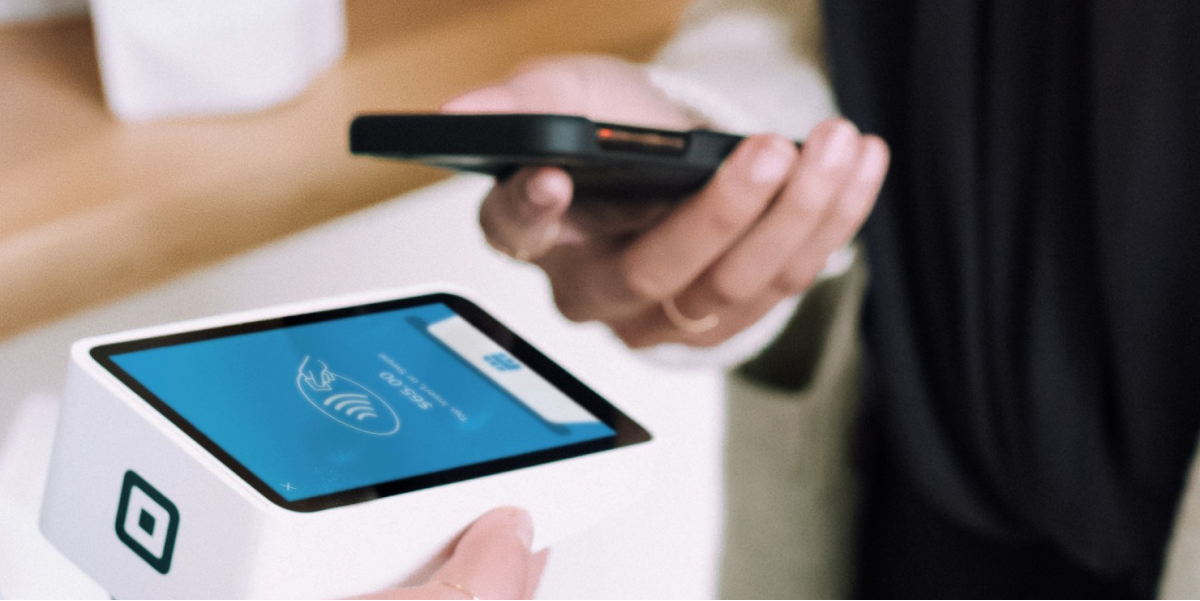
Virtual cards are primarily designed for online and card-not-present transactions. While some can be added to digital wallets, they may not work reliably for in-store purchases depending on the merchant and card issuer.
No ATM withdrawals
Most virtual cards can’t be used to withdraw cash from ATMs. If your business frequently needs physical currency, a traditional card may still be required.
Availability in Canada varies by provider
Getting access to robust virtual card programs in Canada can still be challenging. Many traditional banks offer limited or no virtual card functionality, leaving businesses to look beyond legacy providers.
Virtual cards vs physical cards: Features and security comparison
Virtual cards and physical cards are built for different spending scenarios and carry different risk profiles. Understanding how they compare helps businesses decide when to use each.
| Feature | Virtual | Physical |
| Real-time spend insights | ✅ | ✅ |
| Recurring and temporary limits | ✅ | ✅ |
| Automatic receipt capture and matching | ✅ | ✅ |
| Instantly issued | ✅ | ❌ |
| Unlimited cards | ✅ | ❌ |
| Tap-enabled | ✅ * | ✅ |
| Built-in security controls | ✅ | ⚠️ |
*Through mobile wallet
How businesses use both
In practice, many businesses use both. Virtual cards handle online purchases, subscriptions and vendor payments, while physical cards cover travel and in-person expenses. This blended approach offers flexibility while maintaining stronger spend control and security where it matters most.
Business use cases for virtual cards
Virtual cards are especially useful for businesses that need to let employees use company funds without increasing risk.
Subscriptions and SaaS tools
Assign a unique virtual card to each subscription. If the tool is cancelled, the card can be shut off instantly, preventing forgotten charges.
Contractors and freelancers
Issue cards with fixed limits and expiry dates instead of reimbursing expenses or sharing a main company card.
Marketing and advertising spend
Create cards tied to specific campaigns or platforms so spend doesn’t bleed into other budgets. This works well alongside temporary card spending limits.
Remote and hybrid teams
Virtual cards make it easier for employees to spend company money without paying out of pocket. They also keep card details secure in work-from-home environments as there aren’t any shared numbers and no need to screenshot, resulting in much lower risk.
When should businesses consider implementing virtual cards?
Virtual cards are worth exploring if:
- Most of your spending happens online
- You manage multiple vendors or subscriptions
- Spend visibility is a recurring issue
- You want stronger controls without slowing teams down
Modern corporate card platforms increasingly offer high-limit cards without personal guarantees, reducing risk for founders and finance leaders while keeping credit tied to the business, not the individual. This article on business credit cards with no personal guarantee provides helpful context.
Canadian context: What businesses should know
Many global card platforms were built for US entities and later adapted for Canada. That can create friction around CAD/USD support, tax handling and local payment rails. Canadian finance teams should look for solutions purpose-built for Canadian compliance, multi-part tax codes (GST, HST, PST, QST), and local support.
For a detailed breakdown of options, providers and pricing, see our companion guide.
Virtual card industry trends and the future outlook
Virtual cards are becoming a foundational layer of business finance.
Key trends shaping the space include:
- More automation tied to approval workflows
- Real-time fraud prevention and monitoring
- Deeper integration with corporate card platforms
- Broader acceptance across merchants and wallets
As online spending continues to rise, virtual cards are shifting from an optional add-on to an expected capability.
Making smarter decisions about business spending
Virtual cards give businesses a practical way to control spending, reduce risk and improve visibility without adding friction for teams.
They don’t replace physical cards entirely. Instead, they complement them by handling digital-first payments more securely and efficiently.
If you’re exploring how virtual cards fit into a broader spend strategy, learning more about modern corporate cards is a natural next step.
Frequently Asked Questions
Virtual cards are the same as a traditional physical card with the exception that the card number for these cards is presented digitally. You can create and cancel virtual cards for any purchase and set custom limits on a per-card level to avoid overcharges from the vendors.
Float’s virtual cards are excellent for recurring subscription expenses, digital ad spend and one-off small employee purchases, as they can be added into Apple or Android Wallet and deleted once the purchase is complete. Float’s Essentials plan offers unlimited virtual cards and less than 10 minutes account application time.
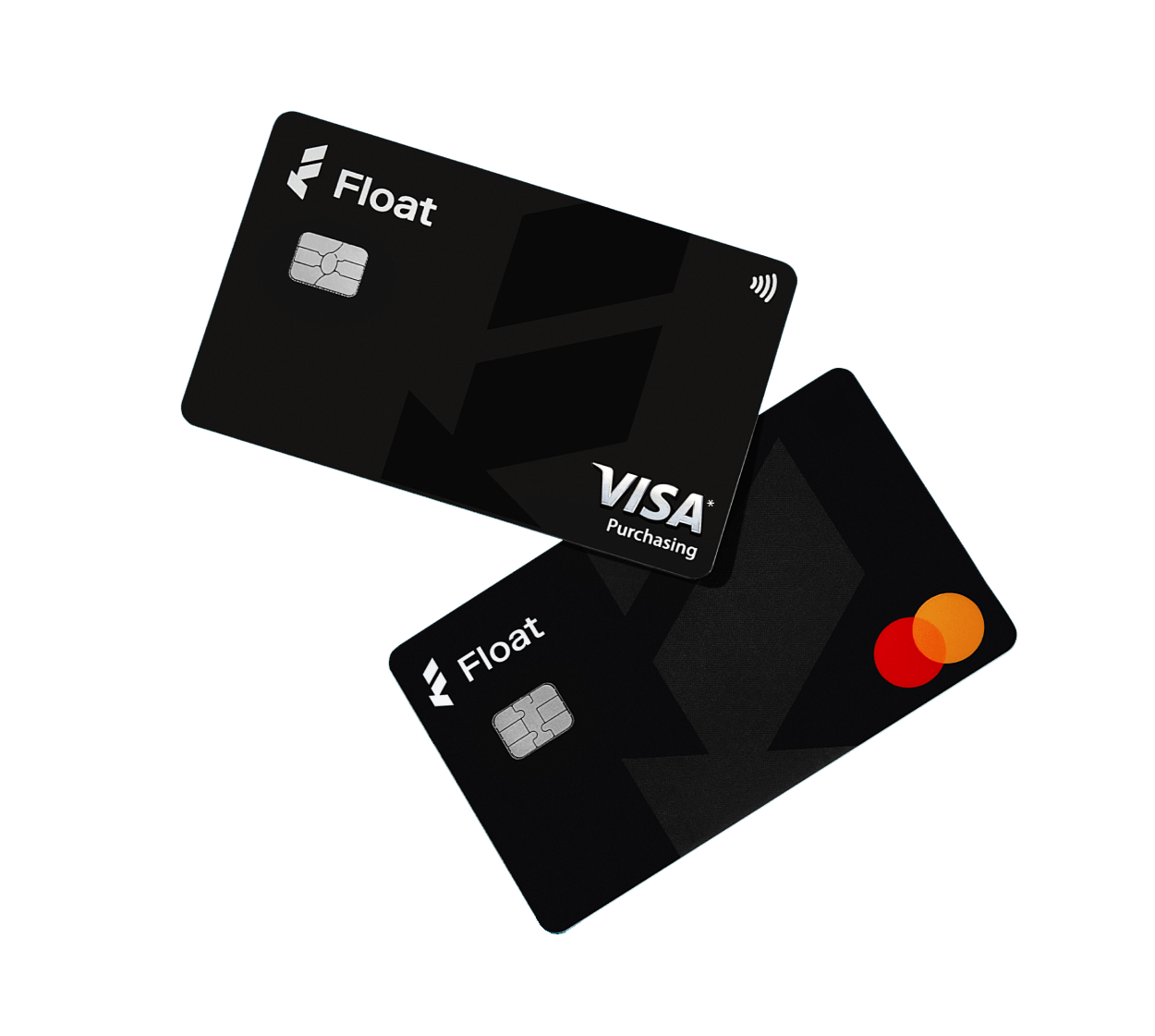
Visa issues float’s virtual cards for CAD cards and Mastercard for USD spending. They offer direct 1% cash back on all categories after the first $25,000 of monthly spend. Float operates on a Charge Card or Prepaid funding model. The prepaid model offers up to 4% on CAD or USD balances ≥ $50,000 (up to $1M), 2% below $50,000,, with no cash lockups, and account opening is completed in under 24 hours.
Signing up for Float takes under 10 minutes and can be done entirely online. Float does not require any personal guarantees and does not perform credit checks to open your account.
Float is Free to use on our Essentials plan, where you will be able to issue unlimited virtual CAD/USD cards, earn up to 4% interest on deposits, reimburse employees and pay vendor bills. If you need more sophisticated functionality, like over 20 physical cards, Netsuite integration, or an API solution, consider our paid Professional and Enterprise plans.
Float offers Charge Card and Prepaid funding models. You can apply* for unsecured, 30-day credit terms with high limits up to $3M, no credit checks and personal guarantees. Both models offer up to 4% interest on all deposits, with no cash lockups, and account opening is completed in under 24 hours.
Unlike traditional cards that encourage spend, Float is the only corporate card in Canada that helps businesses spend less. Through a combination of financial rewards like our 1% cashback for spend above $25,000, up to 4% interest on deposits, no FX fees with our USD cards and time savings of at least 8 hours per employee, Float customers save an average of 7% on their spend.

Written by

All the resources
Cash Flow Optimization
ACH vs EFT Payments: Key Differences for Canadian Companies
Learn the key differences between EFT and ACH payments, how they work, which options might be available to your business
Read More
Corporate Cards
Xero Integration for Corporate Cards: Modern Accounting Software Guide
Using Xero becomes more powerful the second you integrate it with your corporate cards. Here's what you need to know.
Read More
Float News
Float 2025: Year in Review
How Float is building the financial system Canadian businesses run on
Read MoreSpend time and money
where it counts
Earn up to 4% interest on your cash balance and simplify business spending with corporate cards, accounts payable and expense management software.