



Financial Controls & Compliance
Bookkeeping Best Practices: How Often to Audit Your Books
Discover essential bookkeeping best practices and learn how often you should audit your books to ensure financial accuracy with Float.
October 27, 2024




As a business owner, you understand the importance of maintaining accurate financial records. Regular bookkeeping audits are essential for ensuring the integrity of your financial data and making informed business decisions. By establishing a consistent audit schedule and following best practices, you can stay on top of your finances and avoid potential pitfalls.
In this article, we’ll explore the concept of bookkeeping audit frequency and provide guidance on determining the right audit schedule for your business. We’ll also delve into the specific steps involved in conducting monthly reviews, quarterly audits, and annual comprehensive audits. By the end, you’ll have a clear understanding of how often you should audit your books and the benefits of doing so.
What is Bookkeeping Audit Frequency?
Bookkeeping audit frequency refers to the regular intervals at which a business reviews its financial records to ensure accuracy and compliance. This process is crucial for identifying discrepancies, maintaining financial health, and preparing for potential external audits or tax obligations.
How to Determine the Right Audit Schedule
Establishing a consistent audit schedule is vital for maintaining financial accuracy and compliance. Consider factors such as business size, transaction volume, and regulatory requirements when setting your audit frequency.
Use the bookkeepers guide to understand industry standards and best practices.
1. Monthly Bookkeeping Review
Conduct a monthly review to catch any irregularities early. This practice helps in understanding trends and making informed decisions.
A monthly review is also essential for verifying that all transactions are recorded accurately, aiding in fraud prevention.
2. Quarterly Financial Audits
Perform a more comprehensive audit quarterly to assess the overall financial health of your business.
Quarterly audits provide a more detailed analysis, allowing for adjustments in financial strategy and ensuring compliance with audit compliance guidelines.
3. Annual Comprehensive Audit
An annual audit involves a thorough review of all financial records and systems.
This audit is crucial for preparing financial statements, identifying long-term trends, and confirming compliance with all regulatory requirements.
Use resources like the float bookkeeper guide to streamline the audit process and ensure thoroughness.
Frequently Asked Questions
How often should you audit your books in a year?
Ideally, conduct monthly reviews, quarterly audits, and a comprehensive annual audit for optimal financial management.
What are the benefits of regular bookkeeping audits?
Regular audits help in early detection of discrepancies, informed decision-making, and preparation for tax obligations.
What steps are involved in conducting an internal audit?
Establish a schedule, gather necessary documents, review for accuracy, and rectify discrepancies.
How can auditing your books improve financial accuracy?
Auditing ensures that all transactions are recorded correctly, identifies errors, and enhances overall financial transparency.
Best way to audit your books is with Float
Using modern tools can significantly ease the auditing process. Automated platforms enable seamless tracking and analysis of financial data, ensuring compliance and accuracy. Explore solutions that offer real-time insights and streamline the entire bookkeeping audit process.
Streamline Compliance With Float
High limit corporate cards in both CAD and USD, perfectly paired with intelligent software that saves businesses 7% on their spend.
Sync all of transactions and receipts to your accounting system
Require employees to submit receipts and set GL codes per transaction
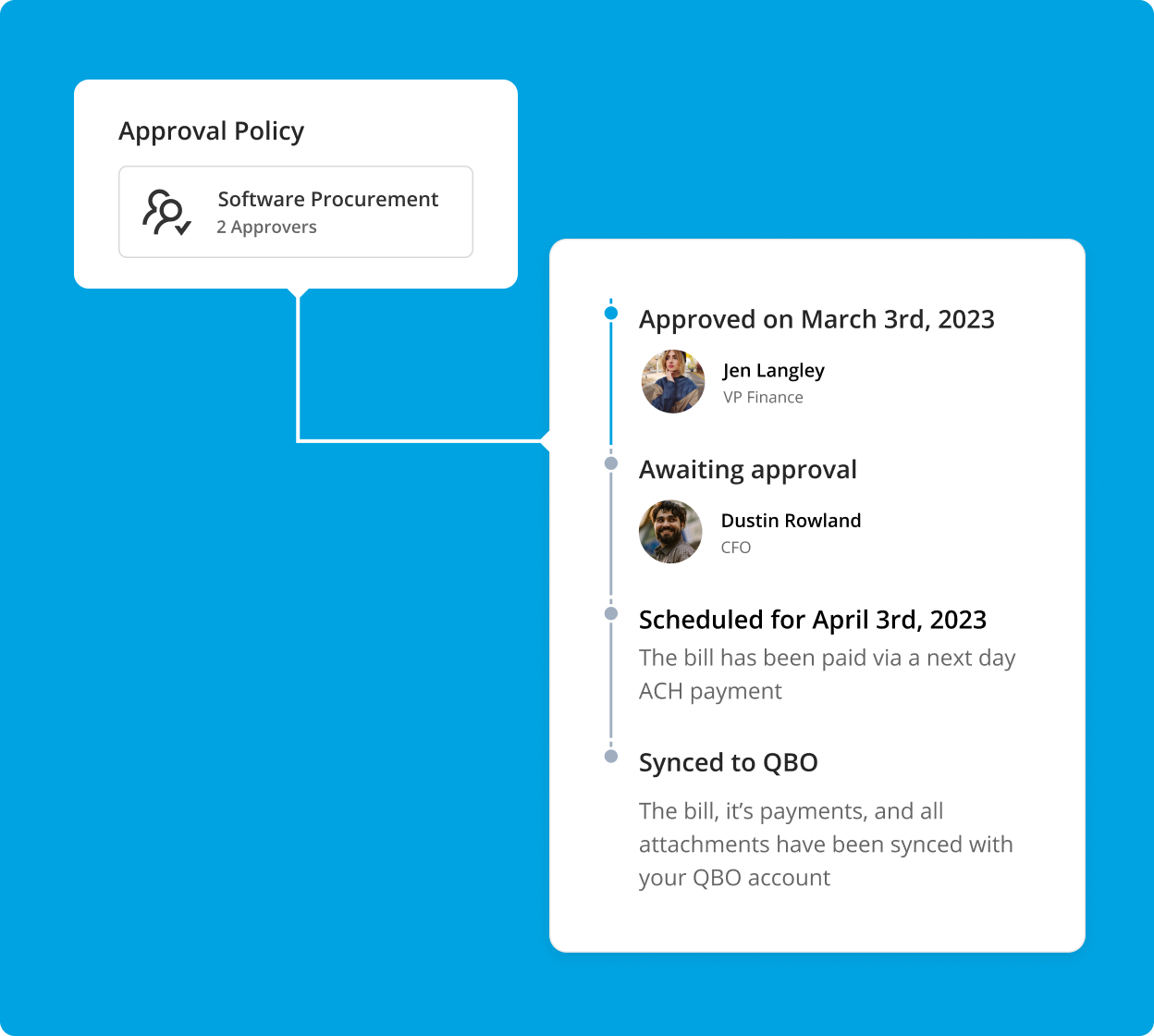
Maintain a centralized audit log of expenses, receipts, transactions, and expense approvals
Written by

All the resources

Corporate Cards
Top 5 Business Credit Cards with No Foreign Transaction Fees on USD Spend for Canadian Businesses in 2026
Foreign transaction fees are kind of like that tacky souvenir you really tried not to buy, but somehow ended up
Read More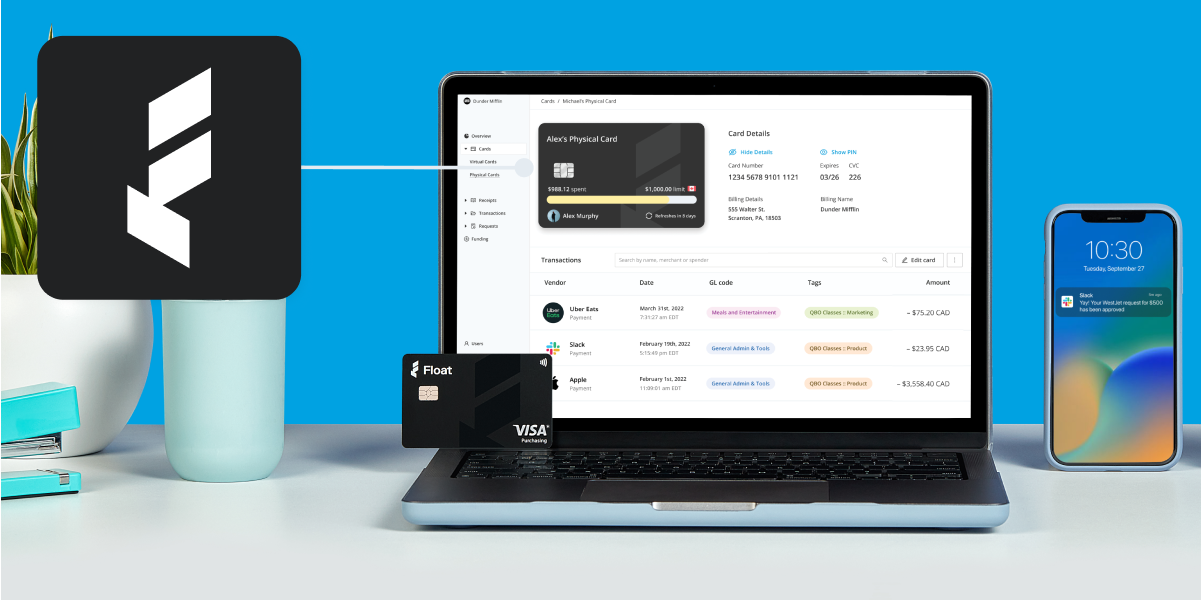
Cash Flow Optimization
Best USD Business Solutions for Cross Border Banking in 2026
If cross-border banking has become a part of your everyday, you need a solution that benefits Canadian businesses first. Here's
Read More
Engineering
Productizing Uncertainty: How We Taught Our AI to Say “I Don’t Know”
Your LLM doesn’t know what it doesn’t know. So we built an AI system at Float that fixes that.
Read MoreSpend time and money
where it counts
Earn up to 4% interest on your cash balance and simplify business spending with corporate cards, accounts payable and expense management software.