


Corporate Cards
Amex Global Platinum Dollar Card Alternatives for Canadian Businesses in 2026
Canadian businesses are dealing with the discontinuation of the Amex Platinum Global Dollar Card and looking for a replacement card. Here’s what you need to know.
December 2, 2025


Choosing the right corporate card is never simple. If you’ve been using the Amex Platinum Global Dollar Card (sometimes simply called the Global Dollar Card) to manage USD spend, collect rewards or support cross-border operations, the news of its discontinuation has likely pushed finding a replacement up your priority list.
Canadian small businesses are also keeping an eye on costs. High interest rates or fees are in the top five challenges faced by these companies. The good news is that you have more options than ever, including modern platforms that go beyond traditional rewards programs to support your business in multiple ways.
This guide breaks down what the Amex Platinum Global Dollar Card offered, why its cancellation matters and which alternatives deliver the most value for Canadian companies in 2026.
Whether you want familiar rewards or a more operationally focused financial stack, this comparison will help you choose your next move with confidence.
Why the Amex Platinum Global Dollar Card leaving Canada matters
For years, the Platinum Global Dollar Card gave Canadian businesses a convenient way to support USD spending and cross-border travel. It held a unique spot in the market because it let companies use a Canadian-issued card for USD billing while accessing the travel perks Platinum users expect.
With the program ending January 21, 2026, several gaps suddenly open up.
USD spending gets more complicated
Small businesses that relied on Amex for USD billing will now face one of two realities: either pay higher FX fees on CAD cards or juggle a separate US-issued card. Neither option is efficient for busy teams.
Loss of premium travel protections
The Global Dollar Card was popular for strong travel insurance, especially for teams that travelled frequently. Losing coverage like trip delay, baggage protection and rental car insurance means businesses either need to replace those benefits or accept reduced coverage.
Reward structures shift
Amex’s points ecosystem is powerful for some users, especially those who optimize transfers and redemptions. Without it, teams need to reassess whether a points-based model still makes sense or whether cashback offers better, more predictable value.
Operational friction during the switch
Any card transition comes with a long checklist. Updating vendors, pulling statements, changing travel profiles and clearing pending charges all take time. Planning early keeps your workflows running smoothly.
Try Float for free
Business finance tools and software made
by Canadians, for Canadian Businesses.
What small business owners should look for in a replacement
Choosing the right corporate card starts with understanding what your business actually needs. Flexibility, cash flow and control often matter just as much as rewards when considering Amex Platinum Global Dollar Card alternatives.
USD spending and FX
If you operate cross border or work with US vendors, your next card should make USD spending easy.
There are two main approaches:
- A true USD card to avoid FX fees
- A CAD card with low FX fees
Companies with consistent US spend usually prefer USD cards to avoid the 2.5 to 3% markups common with traditional issuers.
Rewards that benefit your business
Fancy point systems can be fun until you realize how much work it takes to extract real value. Many small businesses benefit more from straightforward cashback, lower fees and software that helps control spending. The right rewards model should improve margins, not distract your team.
Insurance and benefits
If travel is core to your operations, look closely at what each provider offers. Some issuers keep benefits light, while premium travel cards can feel overpriced for teams that rarely fly. Consider the kind of insurance coverage you’ll find most useful: travel, purchase, extended warranty.
Float now offers car rental insurance for both CAD and USD cards. This covers one of the most common travel needs for SMB teams and helps businesses that previously relied on Amex travel protections maintain consistent coverage. Coverage subject to terms and conditions.
Visibility, control and software
When evaluating alternatives to the Amex Global Platinum Dollar Card, it’s worth looking beyond Amex or bank-issued cards that rely on end-of-month statements. With modern corporate cards like Float, you get real-time spend visibility, custom card limits and automated rules that prevent out-of-policy purchases before they happen. This includes tools like merchant and category controls, temporary or recurring limits and tailored approval flows that match how your team actually works.
Once the transaction happens, Float automatically collects receipts, matches them to the correct transaction and applies the right accounting codes using OCR and rules-based automation, reducing manual coding and speeding up close.
Even more, integrating your cards directly with your accounting software (QuickBooks Online, Xero, or NetSuite) means every approved and coded transaction syncs automatically, helping finance teams keep books accurate throughout the month rather than scrambling at month-end.
Total cost vs. total value
Some cards justify a higher fee with strong benefits. Others cost more in FX fees and admin than they return in value. Evaluate based on your real spend, plus how much savings you could add through eliminating through automated rules around non-policy spend or over-spend.
Top Amex Platinum Global Dollar Card Alternatives for 2026
Below are the strongest options for Canadian small businesses exploring replacements. This includes a mix of traditional providers and modern financial platforms.
Float Corporate Cards (CAD and USD) – FREE
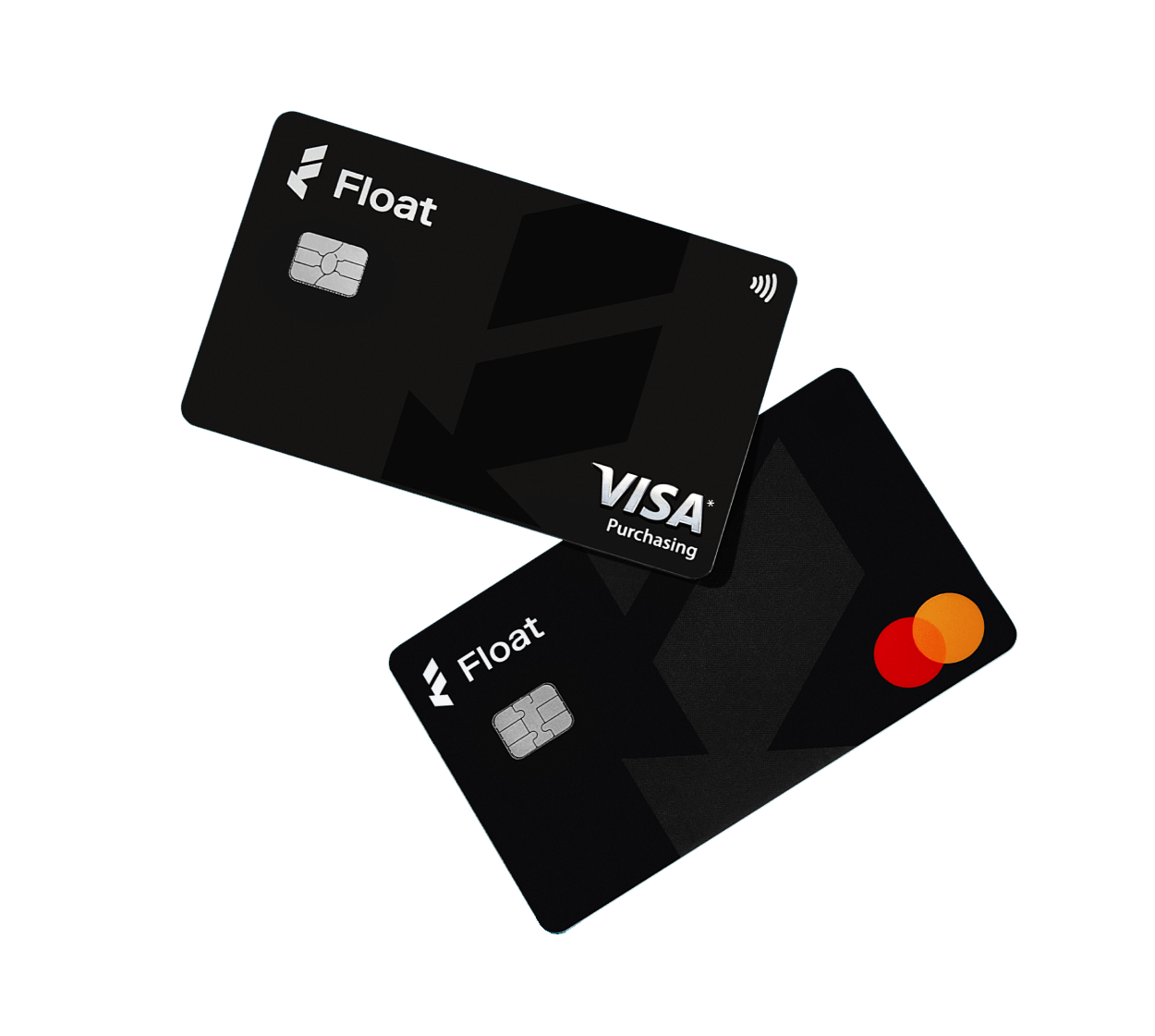
Float offers CAD Visa and USD Mastercard corporate cards paired with a full finance platform that helps you automate spend management, issue unlimited virtual cards, run accounts payable, process reimbursements and earn interest on business balances.
Unlike traditional cards, Float’s real strength lies in control and visibility. You can issue cards instantly, set precise limits for each employee, block categories like ads or travel and monitor spend in real time.
For teams that prioritize streamlined operations over lounge access, Float delivers value far beyond a rewards program.
Key highlights include:
- CAD and USD cards
- No corporate card annual fees
- Earn up to 1% cashback on monthly spending over $25,000
- 0.25% all-in FX rate on CAD to USD conversions within Float
- No FX fees when using USD cards for USD purchases
- Instant virtual cards and fast-issued physical cards
- 3% base interest on all CAD and USD balances, with the ability to earn up to 4% based on spend
- Built-in expense management, reimbursements and AP
- Accounting integrations with QBO, Xero and NetSuite
TD US Dollar Visa Card (Business) – $39 USD annual fee
A simple, practical option for businesses with light USD spend. Good for small teams that pay US vendors regularly and want to avoid FX fees without adding extra tools.
- True USD-denominated card
- No FX fees on USD purchases
- Modest annual fee
- Limited travel perks
- No modern spend controls, automation or virtual cards
Scotiabank Passport Visa Infinite Business – $199 CAD annual fee
A decent choice for companies that want premium travel perks without entering a points-heavy ecosystem. A workable replacement for Amex if travel is a core business activity and you’re not looking for additional automation or controls.
- No FX fees on foreign currency purchases
- Airport lounge access through Priority Pass
- Strong travel insurance package
- Higher annual fees
- No built-in spend controls or automation
RBC US Dollar Visa Credit Card (Business) – $75 USD annual fee
A stable option for USD billing. Great for businesses that value simplicity and reliability.
- USD denominated
- No FX fees on USD purchases
- Predictable for cross-border spending
- No rewards program
- Minimal travel benefits
- No software features or spend control
BMO Ascend World Elite Business Mastercard – $120 CAD annual fee
A good travel rewards card for teams that fly frequently. Useful for travel-focused companies that want premium perks without juggling multiple cards.
- Strong travel reward earn rates
- Premium travel insurance
- Annual fees apply
- CAD only, no USD version
- No spend controls or automation
Comparison table: How Amex alternatives stack up
| Feature | Float (CAD and USD Corporate Cards) | Amex Platinum Global Dollar Card | TD US Dollar Visa | Scotiabank Passport Visa Infinite Business | RBC Commercial US Dollar Visa | BMO Ascend World Elite Mastercard |
| Annual fee | $0 | ~$799 (primary) plus supplementary fees | ~$39 USD (typical) | ~$199 CAD (typical for Passport Infinite variants; business pricing may vary slightly) | ~$75 USD (typical) | $120 CAD |
| Currency options | CAD and USD cards; instant issuance | USD billing only on this specific card | USD denominated | CAD only | USD denominated | CAD only |
| FX fees on purchases | 0% on USD card spend; 0.25% FX on CAD/USD conversions | ~2.5% | No FX fees on USD purchases | No FX fees (0% FX on foreign currency purchases) | No FX fees on USD purchases | Typical FX fees on foreign currency purchases |
| Rewards model | Up to 1% cashback on spend over $25K/month (per card program) | Points system; value varies by redemption | Basic points (modest earnings) | Scene+ points (earn rates vary by category; designed for travel redemptions) | No rewards program | Strong travel reward earn rates |
| Travel benefits | N/A | Premium travel package: lounge, baggage, trip delay, emergency medical. Priority Pass for lounge access | Limited, no lounge access | Strong travel insurance package (trip cancellation, trip interruption, lost baggage, emergency medical) | Limited, no lounge access | Strong travel insurance and lounge access via LoungeKey |
| Spend controls | Deep controls: per-card limits, vendor locks, category blocking, approvals | Basic | None | None | None | None |
| Expense management | Built in: receipts, coding, policy enforcement, approvals | Basic tracking only | None | None | None | None |
| Instant virtual cards | Yes (unlimited) | No | No | No | No | No |
| Interest on funds | Up to 4 percent on CAD and USD balances | None | None | None | None | None |
| Credit model | Charge or pre-funded models available, with interest-free unsecured credit limits up to $3M+ for qualified companies and no personal guarantees | Credit card | Credit card | Credit card | Credit card | Credit card |
| Accounting integrations | QBO, Xero, NetSuite, real time sync | Limited; often requires external tools | Manual | Manual | Manual | Manual |
Why Float delivers more value than a traditional card
Choosing a replacement should go beyond mere reward comparisons. Float is built for teams that want deeper control, smoother workflows and better ways to manage company-wide spend. This is where Float stands apart.
Universal acceptance
Float issues Visa and Mastercard, avoiding the still-common experience of finding out a vendor doesn’t accept Amex.
Real-time visibility
Finance teams can see spending as it happens and cardholders get immediate prompts to upload receipts.
Smarter spend controls
Set vendor-specific cards, block categories, assign limits and route approvals by department or amount.
High-yield cash accounts
Float Business Accounts let companies earn up to 4% interest on CAD and USD balances, with CDIC insurance through a tier-1 bank and no monthly fees.
Built-in accounting automation
The system can automatically code transactions with GL accounts, tax components and vendor rules.
Streamlined AP and reimbursements
Companies can run their entire invoice workflow and reimburse employees from the same platform. Most providers offer a card. Float offers a complete financial operating system.
Best business credit cards
Compare top options, fees and benefits for
Canadian companies.
How to weigh your options going forward
This may not be the first time you’ve compared Float vs. Amex, but the urgency is higher now. A thoughtful analysis will make your decision easier, so consider these points as you review Amex alternatives.
- Review your last 12 to 24 months of spend: Look at your CAD vs. USD spending, travel volume and your largest vendors.
- Compare true cost vs. true value: Consider annual fees, FX charges, reward-earning rates, travel benefits and how easy it is to redeem points.
- Look beyond perks: Virtual cards, real-time approvals and automated receipt collection often save more time and money than loyalty programs.
- Prioritize scalability: Choose a card that grows with your team, including multi-user controls, higher limits and instant issuance.
Your 4-step transition checklist: Moving from Amex to Float
Now, the big question: how to handle the move? If Float is your preferred replacement, a simple plan makes the switch easy. The checklist below gives you high-level steps plus the detailed tasks to be sure you don’t miss anything important.
1. Before you close your Amex, be sure to:
- Redeem points and membership rewards
- Transfer loyalty rewards
- Export statements
- Clear pending charges
- Update travel bookings
2. Update recurring payments by auditing vendors billed to Amex:
- SaaS tools
- Cloud services
- Ad platforms
- Domains and hosting
- App stores
- Rideshare and delivery services
3. Set up Float for your team:
- Map out CAD and USD spend
- Issue cards with appropriate limits
- Configure approvals
- Enable submission policies
- Set up GL codes and rules
4. Smooth the crossover:
- Notify your bookkeeper
- Set a cutover day
- Run Amex and Float side by side for one cycle
- Watch for any missed vendors
Choosing the right fit for your business
Finding an alternative to the Amex Platinum Global Dollar Card depends on what your business values most in a corporate card. If travel perks and lounge access matter most, several bank-issued cards offer strong coverage.
But if your focus is cash flow, real-time visibility and operational control, Float stands out as a modern, purpose-built solution for Canadian companies.
As more businesses shift to tools that improve efficiency and reduce admin, Float offers a smarter way to manage spending without sacrificing flexibility.
Try Float for free
Business finance tools and software made
by Canadians, for Canadian Businesses.
Written by

All the resources

Engineering
Productizing Uncertainty: How We Taught Our AI to Say “I Don’t Know”
Your LLM doesn’t know what it doesn’t know. So we built an AI system at Float that fixes that.
Read More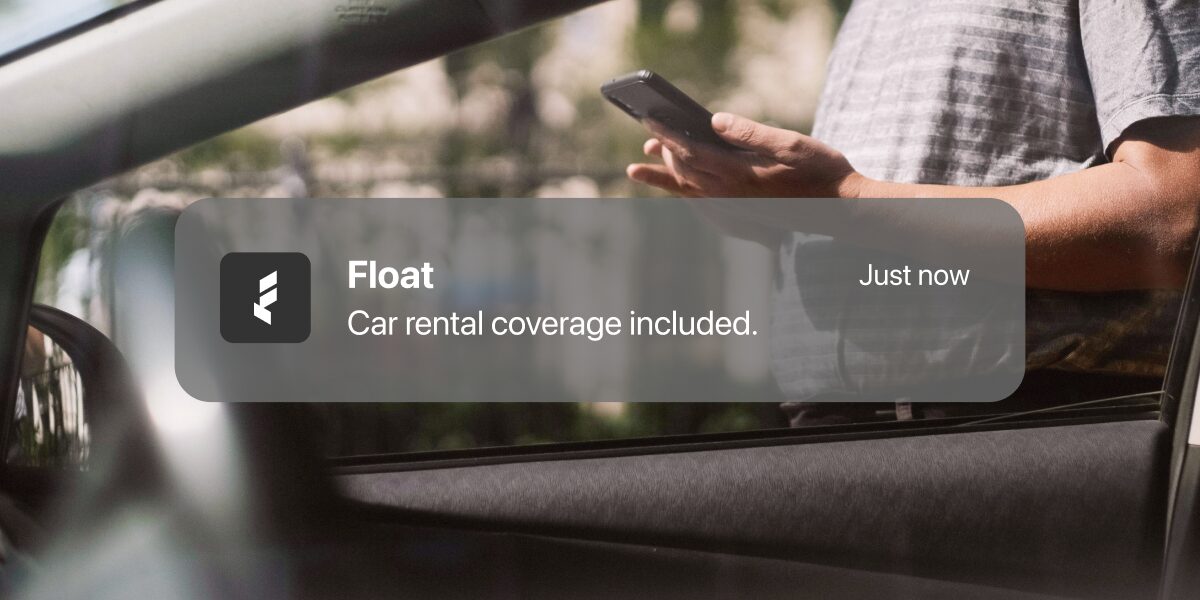
Corporate Cards
Best Car Rental Insurance Credit Cards in Canada: 2026 Edition
Car insurance is kind of like a seatbelt: boring until it’s absolutely essential at the worst possible moment.
Read More
Accounts Payable
AP Automation for Canadian Businesses: Streamline Accounts Payable
Let's look at how AP automation works, why it matters for Canadian finance teams and what to look for in
Read MoreSpend time and money
where it counts
Earn up to 4% interest on your cash balance and simplify business spending with corporate cards, accounts payable and expense management software.